 Search




Sign for Cuba: An Open Letter to the Italian Government
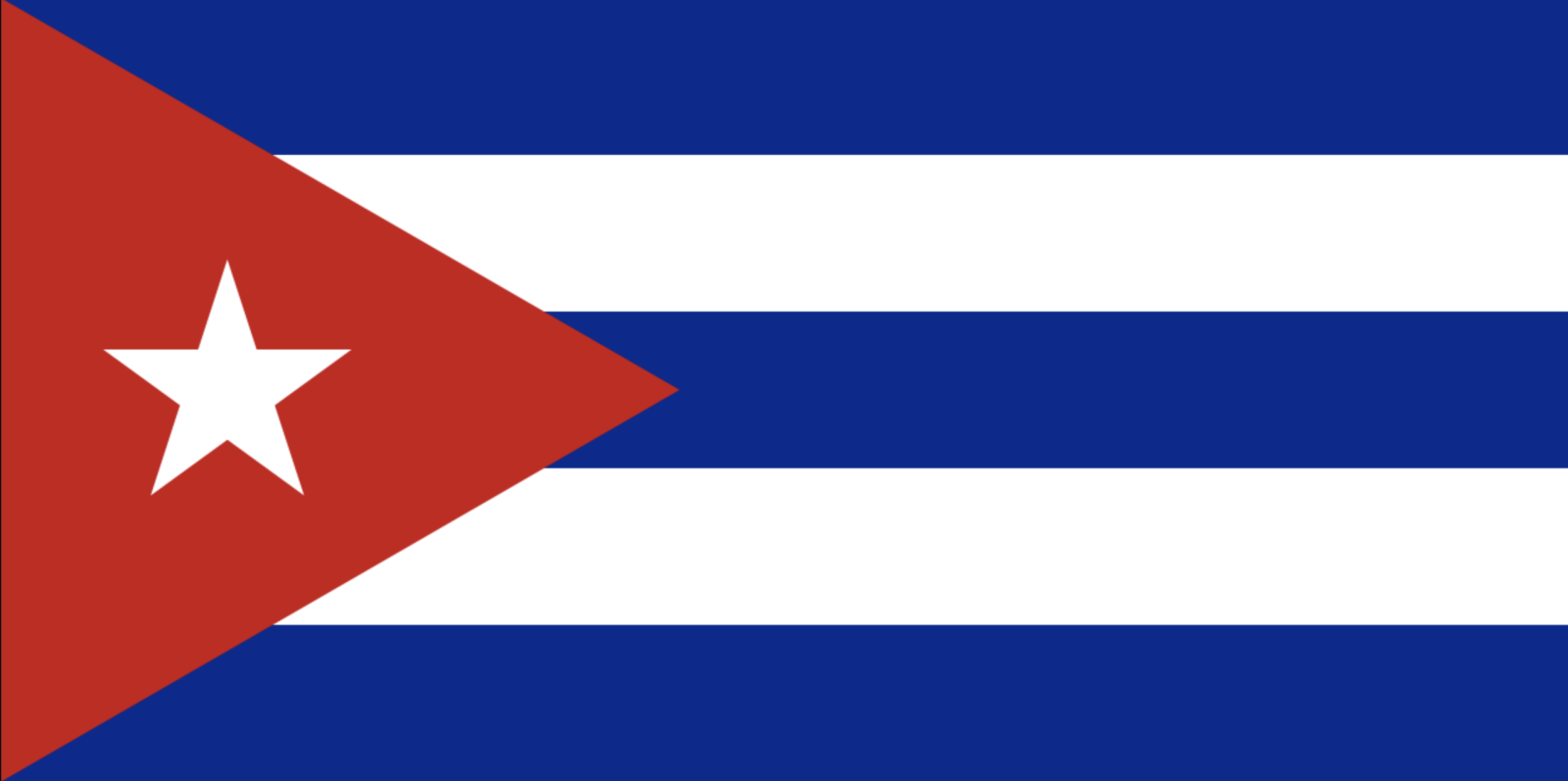
Cuba’s healthcare system, long regarded as an international model, is now in a state of collapse. A group of scientific journals, including Scienza in rete, has sent an open letter to Prime Minister Giorgia Meloni and Health Minister Orazio Schillaci, calling for an Italian commission of health experts to be sent to Cuba in order to gather data and information on the health conditions of the Cuban population, access to healthcare, and the availability of medicines and medical devices. The aim is to produce an independent technical report to help plan targeted, essential, and priority aid interventions.
Not only does Italy owe a debt of gratitude to Cuba, which came to our aid during the Covid pandemic, but it is also the duty of the global health community and civil society to act without ambiguity, in accordance with the fundamental principles of humanitarian law. Every day of silence costs human lives.
Below we publish the text of the letter, which you can sign immediately on the Scienza in rete website.
Dear Prime Minister,
Dear Minister of Health,
We are healthcare professionals in various fields and edit scientific journals aimed at informing and updating the healthcare community, as well as civil society, on evidence-based prevention and treatment approaches, in compliance with Article 32 of the Italian Constitution. We are therefore committed to ensuring that the right to healthcare for all is guaranteed and is a universal right, not just for Italian citizens.
The organization of health services to guarantee the right to health is a powerful indicator of a country’s progress or regression. The fact that a quality health system like Cuba’s is forced to fail to fulfill its functions should be of concern to anyone who cares about the universal right to health and healthcare.
Over the decades, Cuba has built a healthcare system that has been considered an international model, capable of ensuring universal access to care even in conditions of limited resources. Since 1963, over 600,000 Cuban healthcare workers have provided services in more than 160 countries, including Italy. Cuba, with its eleven million inhabitants, is the country with the highest density of doctors in the world: 8.4 per thousand inhabitants, compared to 5.3 in Italy.
That system is now in a state of collapse. The testimonies gathered by Italian and international press correspondents paint a picture of extreme urgency, demanding a response from the global medical, scientific, and civil communities. Survival rates for childhood cancers have dropped from 80 to 65 percent due to the lack of first-line drugs. 96,000 people (nearly one in a hundred of the population) – 11,000 of them children – are on the waiting list for surgery. If the situation continues, the list could include 160,000 patients by the end of 2026. Over 300 pediatric surgeries per week are jeopardized by shortages of drugs, oxygen, anesthetics, and consumables.
The crisis is rooted in a combination of factors that have progressively worsened. The tightening of the economic embargo during the first Trump administration, COVID-19, and, since January 2026, the near-total blockade of energy supplies resulting from the Venezuelan crisis have deprived the island of fuel, electricity, and access to international markets for pharmaceuticals and medical devices.
The collapse of a healthcare system is not just a local tragedy: it is a violation of fundamental human rights that requires a global response, regardless of any political considerations regarding the Cuban regime. The principle of healthcare neutrality—enshrined in international humanitarian law and universal medical ethics—requires that coercive economic measures not affect access to care, particularly for children and vulnerable populations.
Cuba’s situation has been designated a priority by various international bodies, and the scientific community therefore urgently requires rapid action.
Italy cannot remain indifferent or silent, especially since it is indebted to Cuba for the assistance it received during the COVID-19 pandemic and for the ongoing work of Cuban doctors in the Calabria Region to ensure the functioning of the local health service.
For this reason, and to demonstrate interest, participation, and support, it could be helpful for a special Italian commission of health experts to be sent to Cuba and to submit reports on the health status of the Cuban population, access to care, and the availability of medications and medical devices. An independent technical report, focusing on the essential healthcare needs of the embargoed Cuban population, could provide the basis for planning targeted, essential, and priority aid interventions, guiding both institutions and national cooperation organizations.
It is the duty of the global health community (doctors, researchers, institutions, scientific journals), but also of the civil community, to act unambiguously, in compliance with the fundamental principles of humanitarian law. Every day of silence costs human lives.
Thank you for your attention.
Maurizio Bonati – Ricerca&Pratica
Luca De Fiore – Recenti Progressi in Medicina
Antonio Addis – Forward
Luca Carra, Eva Benelli – Scienza in rete
Guido Giustetto – Il Punto
Gavino Maciocco – Salute internazionale
Paola Di Giulio – Assistenza infermieristica e ricerca
Federico Marchetti – Medico e Bambino
Francesco Forastiere, Francesco Barone-Adesi – Epidemiologia e Prevenzione
Michele Gangemi – Quaderni acp
Here you can find the full list of those who have already signed.
Read also...